The Ultimate Guide to Choosing the Right Tractor for Your Farm: Expert Tips and Insights
Introduction
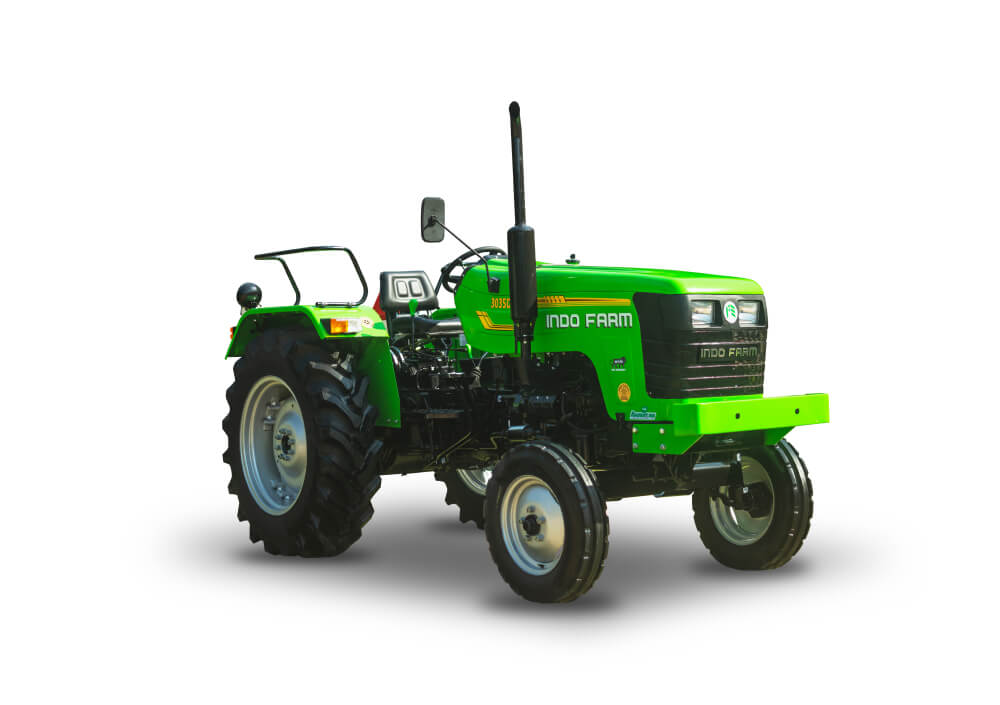
When it comes to modern farming, tractors are one of the most essential tools. A well-chosen tractor can make a world of difference in productivity, efficiency, and even profitability. Whether you're a small-scale farmer or operating a large commercial farm, selecting the right tractor tailored to your needs can lead to significant improvements. In this blog post, we’ll take you through everything you need to know about choosing the best tractor for your farm.
1. Understanding Your Farm’s Needs

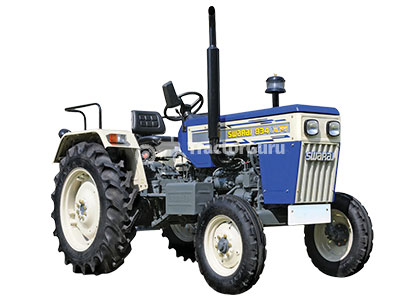
Before diving into the specifications and features of various tractors, the first thing you need to do is assess your farming needs. Are you primarily into plowing, harvesting, or hauling? Do you need to use a variety of attachments, like loaders, tillers, or balers?

Key Considerations:
- Farm Size: Smaller farms may need a compact tractor, while larger operations may require more powerful, heavy-duty models.
- Terrain: Does your land have flat, hilly, or uneven terrain? This can impact your choice between a 2WD or 4WD tractor.
- Type of Crops: Certain crops may require specialized equipment or power to handle different tasks like tilling or irrigation.

2. Tractor Specifications to Look For
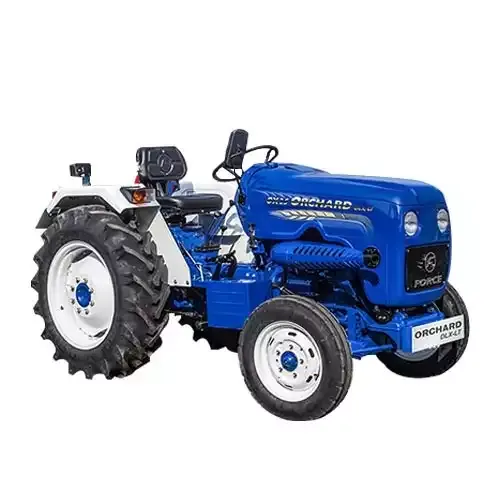
Once you've identified your farming needs, it's time to dive deeper into the specifications of the tractor that would best serve those needs. Key factors include engine power (measured in horsepower), hydraulic capacity, and transmission type.
Important Tractor Features:
- Horsepower: Horsepower determines the tractor’s ability to handle heavy-duty tasks like plowing and lifting. For small to medium-sized farms, a 30-50 HP tractor is often enough, while larger farms may require tractors with over 75 HP.
- Hydraulics: A strong hydraulic system is essential for powering implements like front loaders and other attachments.
- Transmission: Tractors come with different transmission types, such as manual, semi-power shift, and hydrostatic. Each has its pros and cons based on comfort, ease of use, and cost.
3. Types of Tractors Available
There are several types of tractors available in the market, and each is designed for specific tasks. Here are some common types:
- Compact Tractors: These are smaller tractors, ideal for small to medium-sized farms. They're perfect for light-duty work like lawn care, snow removal, and tilling.
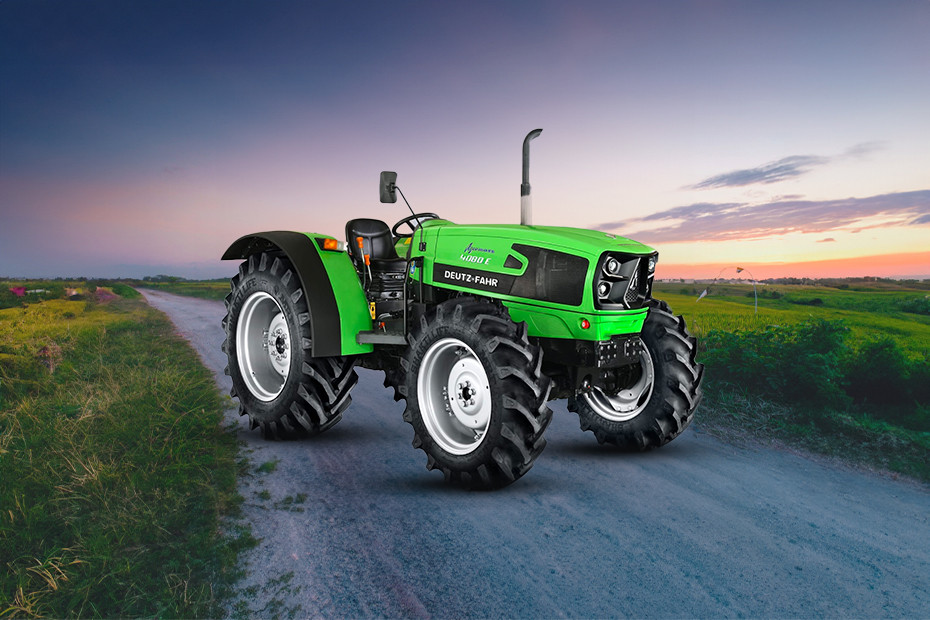
- Utility Tractors: A step up from compact tractors, these are versatile machines suitable for general-purpose farm tasks, including cultivating, plowing, and hauling.

- Row Crop Tractors: These tractors are designed specifically for crop farming. They are often equipped with narrow wheels, making them ideal for working between rows of crops.
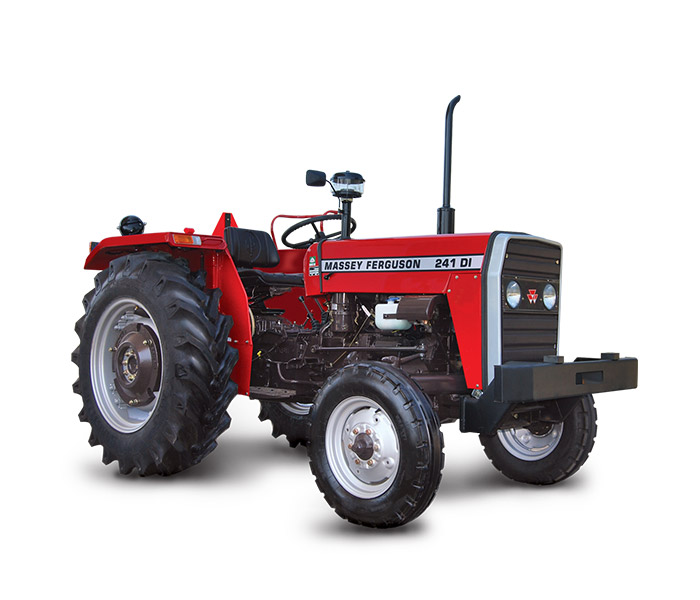
- 4WD Tractors: Tractors equipped with four-wheel drive are best for farmers who work on hilly terrain or need additional traction.

4. Popular Tractor Brands in India
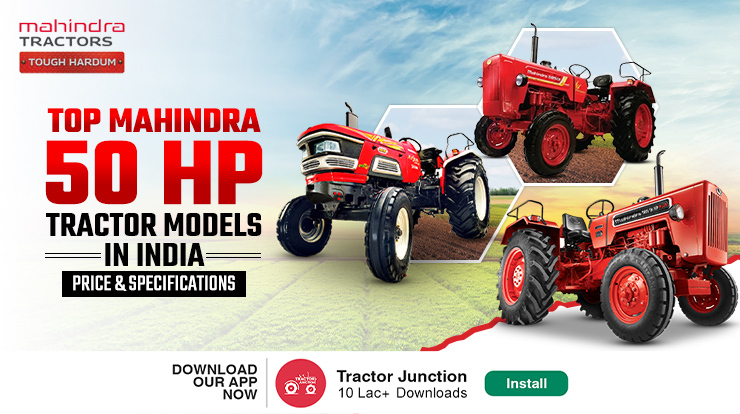
India has several renowned tractor brands known for their reliability and performance in various farming conditions. Some of the most popular tractor brands include:
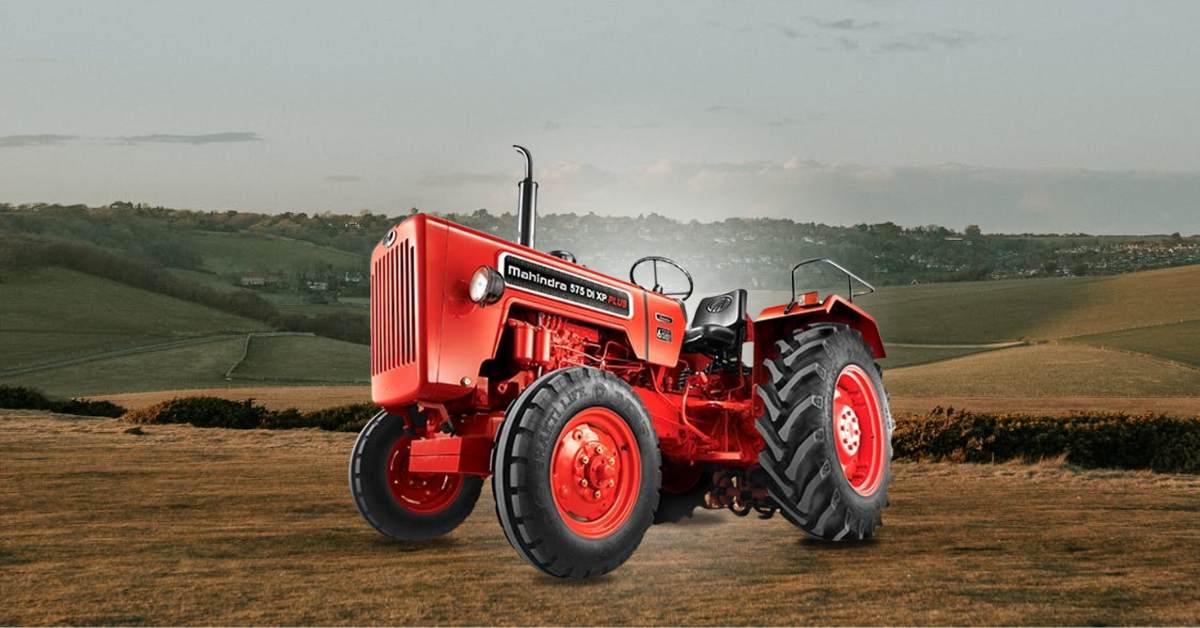
- Mahindra: Known for its durability, Mahindra tractors offer a wide range of options suited for both small-scale and large-scale farming. Popular models include the Mahindra YUVO 475 DI and Mahindra 575 DI.
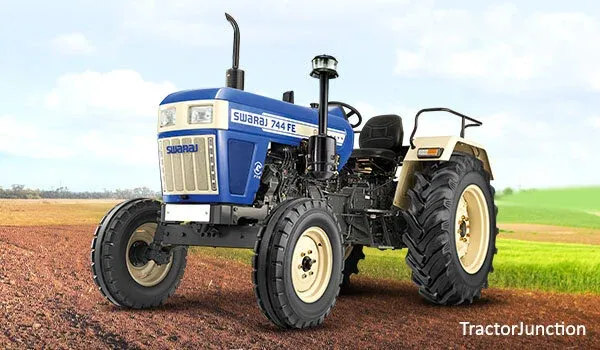
- Sonalika: A trusted name in the industry, Sonalika tractors are known for their affordability and fuel efficiency. Models like Sonalika DI 35 RX and Sonalika 60 are highly regarded.
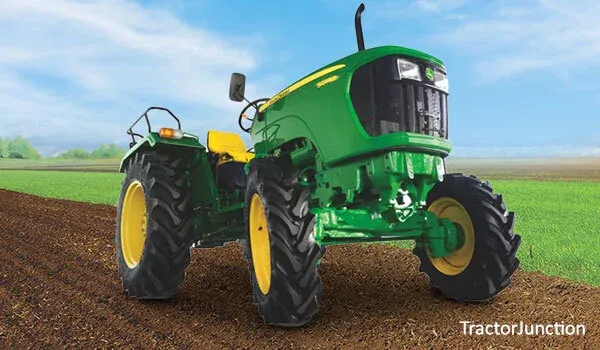
- John Deere: Famous for its high-performance machinery, John Deere tractors are perfect for those who require power, efficiency, and advanced technology.
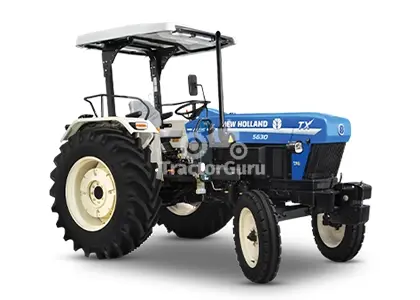
- New Holland: Known for both performance and comfort, New Holland tractors are a great choice for those looking to maximize productivity and reduce operator fatigue.
5. Maintenance and After-Sales Support

A tractor’s performance isn’t just about how powerful it is; it's also about how well it’s maintained. Look for brands that offer excellent after-sales support and easy access to spare parts. Some manufacturers offer extended warranties and preventive maintenance packages to ensure that your tractor runs smoothly for years.
Tips for Maintenance:
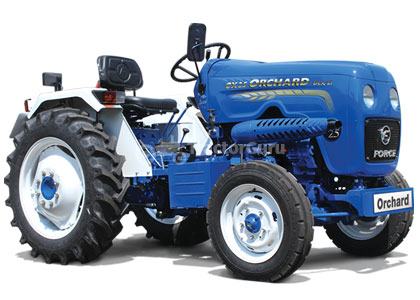
- Regular Oil Changes: Changing the oil regularly is vital for keeping the engine running efficiently.
- Tire Care: Proper tire pressure ensures optimal traction and extends the lifespan of your tires.
- Cleaning: Regular cleaning of the tractor, especially the undercarriage, can prevent dirt and debris from damaging parts.
6. Budgeting for Your Tractor
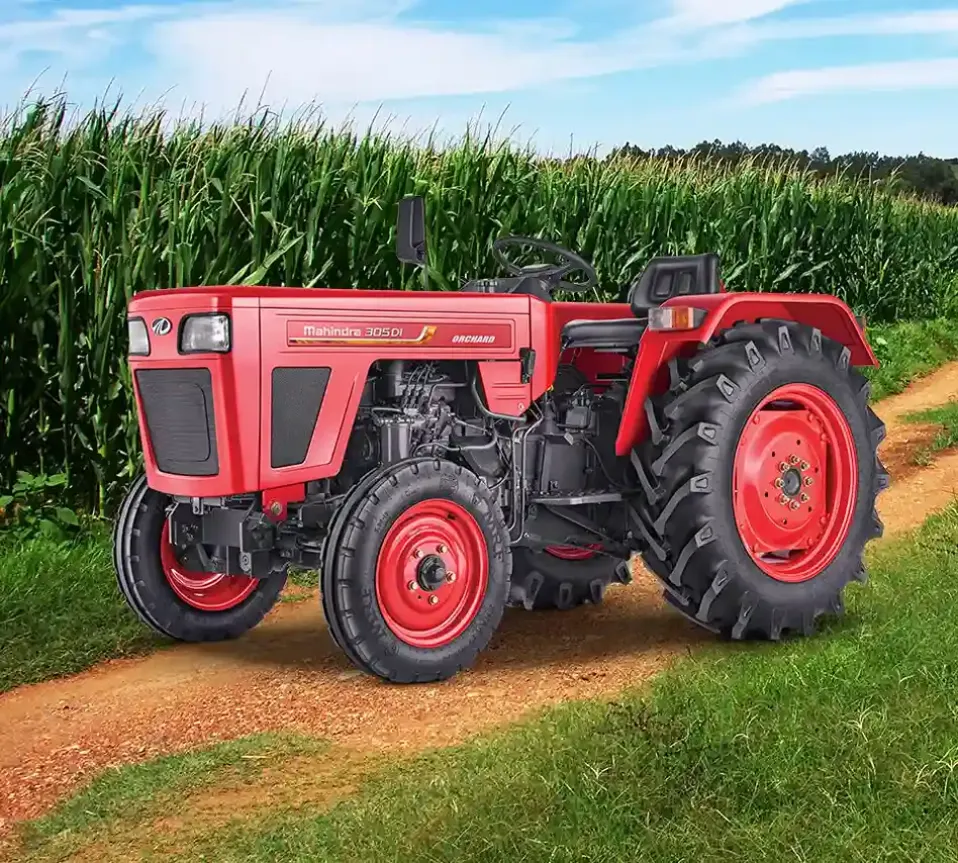
Price is always a major consideration when purchasing a tractor. While it's tempting to go for the cheapest option, keep in mind that investing in a higher-quality tractor can save you money in the long run due to better fuel efficiency and lower maintenance costs.
If you're on a tight budget, you may want to consider a used tractor. However, make sure to thoroughly inspect the used model to check for wear and tear.
Comments
Post a Comment